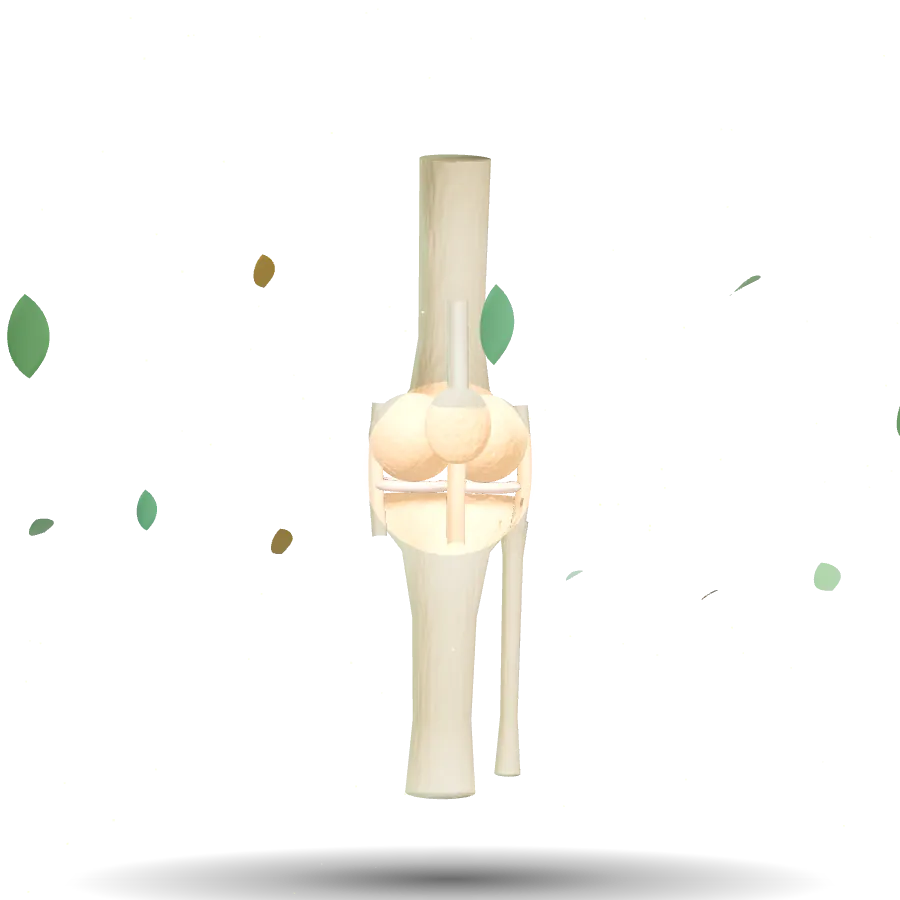
Bursitis — Ayurvedic Treatment

Bursitis is inflammation of the fluid-filled pads (bursae) that act as cushions at the joints. The most common locations are the shoulder, elbow, and hip — though the knee, heel and base of the big toe can also be affected.
Signs & Symptoms of Bursitis
Bursitis is characterised by sudden, severe attacks of pain, swelling, redness and tenderness:
- Disabling joint pain
- Sudden inability to move a joint
- Excessive swelling, redness, bruising or a rash in the affected area
- Sharp or shooting pain, especially during exercise or exertion
Causes of Bursitis
The most common causes are repetitive motions or sustained pressure on the bursae, including:
- Repeatedly throwing a baseball or lifting overhead
- Leaning on the elbows for extended periods
- Extended kneeling (e.g. laying carpet, scrubbing floors)
- Systemic conditions such as diabetes and heart disease also increase risk
Diagnosis
- Imaging tests: X-ray, ultrasound, or MRI to rule out other causes and confirm bursitis
- Lab tests: Blood tests or bursal fluid analysis to identify the cause of inflammation
Complications of Bursitis
- Chronic pain from permanent thickening or enlargement of the bursa
- Septic bursitis (infected bursa) — a medical emergency requiring prompt treatment
- Reduced range of motion in the affected joint
Ayurvedic Treatment for Bursitis
Ayurveda classifies bursitis under Vata imbalance causing inflammation and fluid accumulation in the joint spaces. Treatment includes anti-inflammatory herbs like Shallaki, Guggul and Ashwagandha, Panchakarma therapies, and local herbal poultices. Bursitis treatment in Ayurveda reduces inflammation, relieves pain, and restores full joint mobility naturally.